Raw Diet vs. Kibble: What Does the Science Actually Say?
Raw feeding is growing in popularity — but is it better for your dog? We break down the evidence.
PetFoodIQ Editorial Team
2026-02-20 · 5 min read
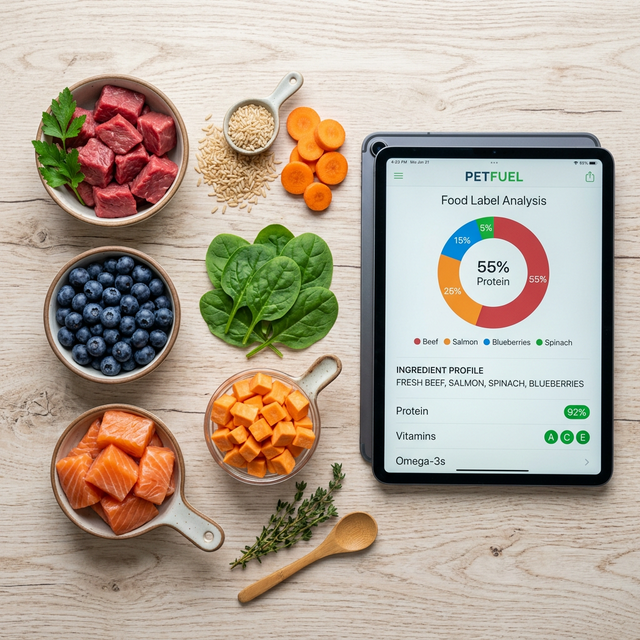
The Raw vs. Kibble Debate
Raw feeding (BARF — Biologically Appropriate Raw Food, or Prey Model Raw) has grown significantly in popularity, with proponents claiming benefits including improved coat quality, better digestion, smaller stools, and higher energy. Commercial kibble defenders cite convenience, nutritional completeness, and food safety.
This is one of the most polarizing topics in pet nutrition — and the scientific evidence is more nuanced than either camp tends to acknowledge.
What Research Shows About Raw Diets
Potential Benefits (with evidence)
- Digestibility: Studies show raw meat proteins have higher apparent digestibility (85–90%) compared to highly processed kibble (75–85%)
- Stool volume: Raw-fed dogs produce smaller, firmer stools due to lower fiber and ash content
- Glycemic response: Raw diets with minimal carbohydrates produce lower post-meal blood glucose spikes — potentially beneficial for diabetic or obese-prone dogs
Significant Risks (with evidence)
- Bacterial contamination: Studies consistently find Salmonella (30–80% of samples) and Listeria in commercial raw foods. Risk to immunocompromised pets and humans in the household is real.
- Nutritional imbalance: A 2001 study found 60% of home-prepared raw diets were nutritionally inadequate. Without careful formulation (NRC guidelines), deficiencies in calcium, zinc, vitamin D, and iodine are common.
- Bone hazards: Whole bones carry risk of tooth fractures (slab fractures are the #1 dental injury from bones) and GI obstruction.
- Parasites: Freezing raw meat does not reliably kill all parasites (Toxoplasma, some tapeworms require specific temperatures and duration).
What Research Shows About Kibble
Benefits
- Nutritional completeness: AAFCO-compliant foods are formulated to meet all known nutrient requirements.
- Convenience and cost: Most accessible form of balanced nutrition.
- Dental health: Some kibble textures may reduce tartar accumulation.
Concerns
- Processing damage: High-temperature extrusion destroys some heat-labile nutrients (certain vitamins, some amino acids). Manufacturers compensate with post-processing supplementation.
- Grain-free DCM link: Legume-heavy, grain-free kibbles have been linked to dilated cardiomyopathy (DCM) in certain breeds in an ongoing FDA investigation.
- Ultra-processing: Some argue the highly processed nature of kibble may have long-term health implications not yet fully studied.
The Evidence-Based Recommendation
Both dietary approaches can sustain dogs when properly formulated. The WSAVA recommends consulting a board-certified veterinary nutritionist before transitioning to a home-prepared or raw diet. If feeding raw, use commercially prepared raw from manufacturers following HACCP protocols, or consult a nutritionist for home preparation formulation.
Advertisement