Omega-3 Fatty Acids for Dogs: Benefits, Sources, and Correct Dosage
Fish oil is one of the most evidence-backed supplements for dogs. Here's how to use it correctly.
PetFoodIQ Editorial Team
2026-02-18 · 5 min read
What Are Omega-3 Fatty Acids?
Omega-3 fatty acids are a class of polyunsaturated fats essential for normal physiological function. The three most relevant types for dogs are:
- ALA (Alpha-linolenic acid): Found in flaxseed, chia seeds, walnuts. Dogs convert ALA to EPA/DHA very inefficiently (<5%).
- EPA (Eicosapentaenoic acid): Found in marine sources (fish oil, algae). Primary anti-inflammatory compound.
- DHA (Docosahexaenoic acid): Found in marine sources. Critical for brain, eye, and neurological development — especially important in puppies and senior dogs.
Evidence-Backed Benefits in Dogs
Anti-Inflammatory Effects
EPA competes with arachidonic acid (omega-6) for cyclooxygenase enzymes, reducing production of pro-inflammatory prostaglandins. Clinical trials show EPA/DHA supplementation significantly reduces:
- Joint pain and stiffness in osteoarthritis (multiple controlled trials)
- Skin inflammation and pruritus in atopic dermatitis
- Inflammatory bowel disease symptoms
Cardiovascular Support
Omega-3s reduce triglyceride levels, improve cardiac rhythm, and show promise in supporting dogs with dilated cardiomyopathy (DCM). Tufts University research is ongoing on omega-3 supplementation in DCM breeds.
Cognitive Function
DHA is concentrated in brain neuronal membranes. Supplementation in senior dogs shows measurable improvements in learning, memory, and cognitive dysfunction syndrome (CDS) management.
Coat and Skin Health
One of the most visible effects — improved coat gloss, reduced shedding, and decreased dry skin are commonly reported within 4–8 weeks of supplementation.
Dosage Guidelines
The therapeutic dose for most conditions:
- EPA + DHA combined: 20–55 mg/kg (9–25 mg/lb) body weight per day
- For a 20 kg (44 lb) dog: 400–1,100 mg EPA+DHA per day
- For anti-inflammatory effect: Use higher end of range
- For maintenance/coat health: Lower end is sufficient
Best Sources
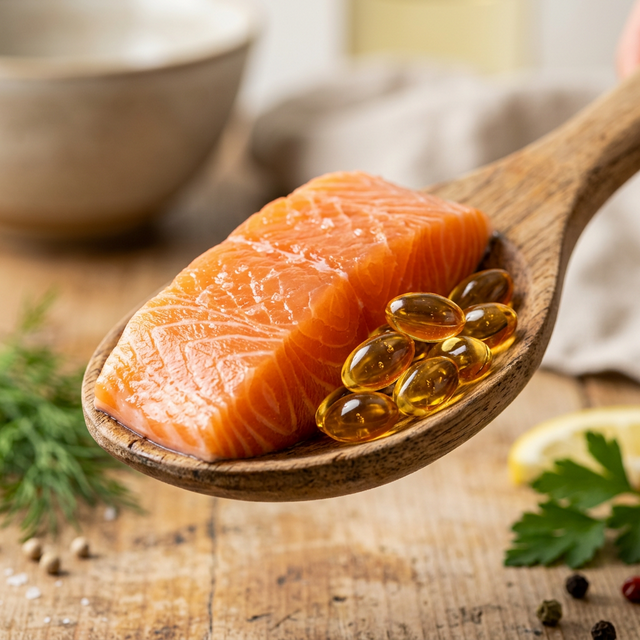
- Cold-water fish oil (salmon, sardine, anchovy): Most bioavailable and research-tested. Look for products with IFOS (International Fish Oil Standards) certification.
- Algal oil: Plant-based DHA alternative, suitable for dogs with fish allergies. Less EPA than fish oil.
- Whole fish in diet: Sardines, mackerel, and herring are excellent whole-food sources.
Important Cautions
- Store fish oil in a cool, dark place — it oxidizes quickly and rancid oil provides no benefit.
- Very high doses (above 100 mg/kg (45 mg/lb) EPA+DHA) may impair platelet function.
- Consult your vet before supplementing dogs on blood thinners or pre-surgery.
- Cod liver oil contains vitamins A and D — can cause toxicity at high doses. Choose body oil, not liver oil.
Advertisement